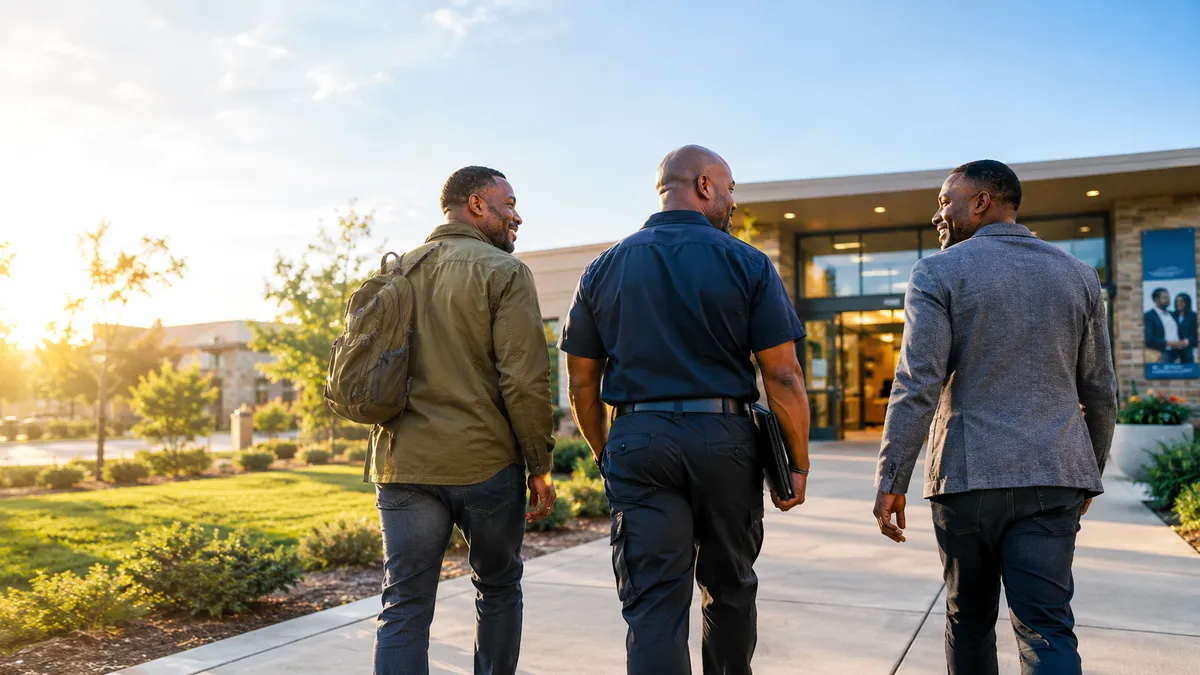
Supporting Veterans & First Responders Reentry
Reentry, Veterans, First Responders, Community Support
When Service Meets Reentry: Supporting Veterans, First Responders, and Police Officers Returning Home
Reentry after incarceration is never simple, but for veterans, first responders, and police officers, the journey home carries unique layers of stigma, trauma, and loss. True reentry is more than release from a facility; it is about building a pathway forward—one where a person’s past does not have to determine their future.
Reentry Is a New Mission
Building pathways home for those who once served
The Hidden Challenges After Incarceration
Veterans, first responders, and police officers are often seen as protectors—people who run toward danger when others run away. When they become justice-involved and experience incarceration, the fall from that identity can be devastating. They may return home carrying combat trauma, memories of critical incidents, or moral injury from past decisions, now compounded by the weight of a criminal record.
Many face broken trust with family and former colleagues, public judgment, and the painful sense that their years of service no longer matter. Navigating probation requirements, rebuilding relationships, and managing untreated mental health conditions such as PTSD, depression, or anxiety can feel overwhelming. Without coordinated support, these challenges can quickly lead to isolation, homelessness, or a return to the justice system.
Why Stable Housing Is the First Foundation of Reentry
Safe, stable housing is not a luxury for people reentering society—it is a lifeline. Without a reliable place to sleep, store documents, or receive mail, even the most motivated person will struggle to keep appointments, apply for jobs, or comply with supervision requirements. For those who once wore a uniform, the shift from structure and camaraderie to couch-surfing or shelter life can feel like a complete loss of identity and dignity.
WT Hope Development Inc. recognizes housing as the starting point of a new chapter. Through housing assistance, they help connect individuals with safe, affordable options so that reentry is grounded in stability, not survival. When someone has a front door of their own, they can begin to focus on healing, planning, and rebuilding rather than simply getting through the night.
Employment: Restoring Purpose, Structure, and Dignity
For veterans, first responders, and police officers, work has often meant service, teamwork, and a clear mission. After incarceration, many encounter closed doors, background checks, and employers who cannot see past a record. This loss of purpose can be just as damaging as the loss of income, especially for people who once defined themselves by their commitment to others.
WT Hope Development Inc. focuses on employment opportunities that value skills, discipline, and lived experience. By helping individuals craft resumes, practice interviews, and connect with fair-chance employers, they support more than a paycheck—they support identity and self-respect. A stable job offers routine, financial security, and the chance to contribute again, turning reentry into a step toward long-term rebuilding rather than a short-term scramble to survive.
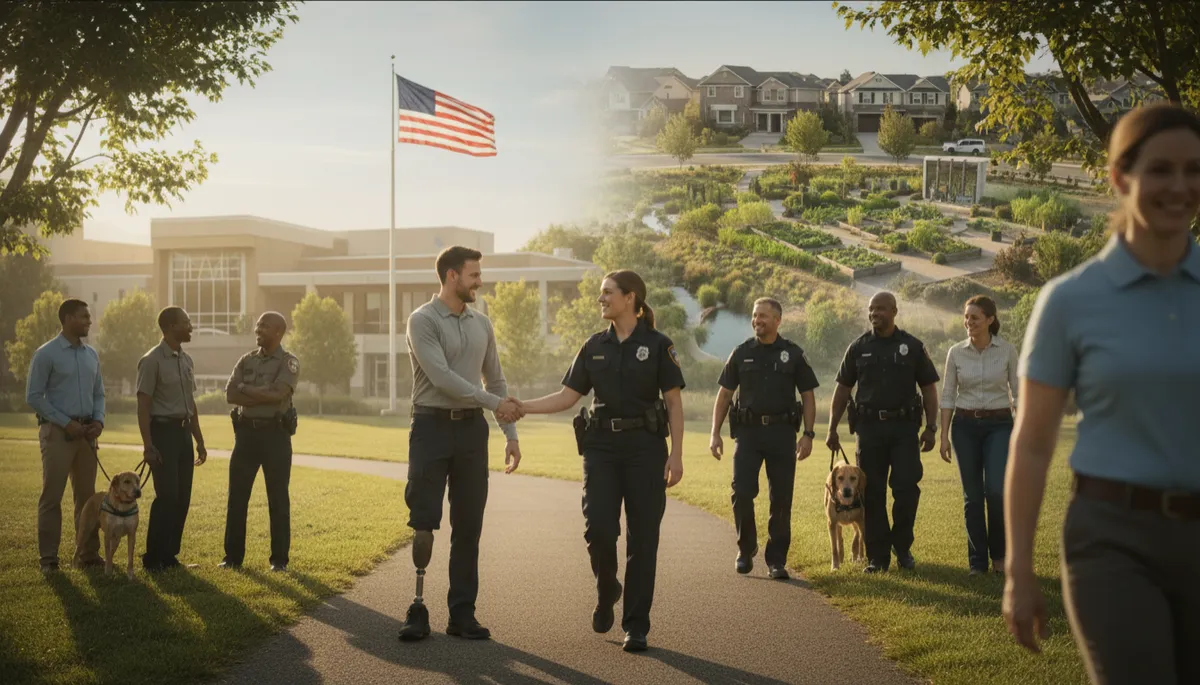
Fair-chance employment transforms a criminal record into a starting point for renewal.
Community Support: No One Rebuilds Alone
Housing and employment are critical, but reentry is also deeply emotional. Many returning veterans and former first responders carry invisible wounds. Without mental wellness support—counseling, peer groups, and trauma-informed care—old patterns and pain can resurface quickly. Community support means having people who listen, encourage, and hold individuals accountable as they heal and grow.
WT Hope Development Inc. embraces a holistic approach that includes mental wellness services, family reunification support, and structured mentorship. Reuniting with loved ones can be complicated; trust may need to be rebuilt on both sides. Mentors—often people who have walked a similar path—help guide individuals through hard decisions, setbacks, and successes. This web of support turns reentry into a shared journey rather than a solitary struggle.
Reentry as a Pathway Forward, Not a Life Sentence
At its core, reentry is about creating a pathway forward. It is the process of helping a person move from “what happened” to “what’s possible next.” A criminal record, even for someone who once served in uniform, is a chapter in their story—not the final page. When communities commit to second chances, they affirm that a person’s past does not have to determine their future.
WT Hope Development Inc. embodies this belief by connecting people to coordinated resources: housing assistance, employment opportunities, mental wellness care, family reunification, and mentorship. These supports are not about quick fixes; they are about building a stable foundation for the years ahead. Long-term rebuilding—emotionally, financially, and relationally—matters far more than short-term survival.
How Second Chances Strengthen Entire Communities
When veterans, former first responders, and police officers successfully reenter society, everyone benefits. Stable housing and employment reduce recidivism and increase community safety. Reunified families create nurturing environments for children. Those who once needed mentors often become mentors themselves, guiding others away from cycles of harm and toward healthier choices.
A second chance can turn someone from a statistic into a neighbor, a coworker, a coach, or a community leader. In this way, reentry is not only about individual transformation; it is about building stronger neighborhoods filled with families, mentors, and productive residents. Investing in long-term rebuilding changes the story not just for one person, but for the community that surrounds them.
Reentry Is About Where They Can Go Next
Everyone deserves an opportunity to rebuild—especially those who once dedicated their lives to serving others. For veterans, first responders, and police officers returning from incarceration, reentry should not be a dead end. With the right housing, meaningful employment, and strong community support, it can become a bridge to a new season of purpose and contribution.
WT Hope Development Inc. stands in this critical space, helping individuals move from surviving to truly living again. Their work reminds us that reentry is not about where someone has been—it is about where they can go next. When we offer real second chances, we do more than restore one life; we help our communities become places of hope, healing, and shared strength.
